In France, life expectancy is among the highest in the world, but living longer does not guarantee a good quality of life. Since 2025, the HAS has recommended pneumococcal vaccination for everyone aged 65 and over, including those who feel perfectly healthy.
The Shingrix vaccine against shingles is also preferentially recommended for this age group. These recent changes show that prevention for older adults goes beyond dietary or physical activity advice: it involves up-to-date medical follow-up, even when no symptoms are present.
Vaccinations and screenings after 65: a schedule to review
Most articles on healthy ageing mention flu and Covid. The HAS’s recent recommendations broaden the scope. Pneumococcal vaccination is now recommended for all older adults, not just those with a chronic condition.
Shingles, often considered a mild illness, can cause persistent nerve pain for months. The Shingrix vaccine, preferentially recommended for people aged 65 and over, reduces this risk. Reviewing your vaccination record with a doctor can help identify any missed booster shots and tailor your vaccination plan to your individual circumstances.
By regularly consulting health advice for older adults from specialist platforms, it becomes easier to keep up with these changes and prepare for medical appointments with the right questions.
ICOPE programme: identifying frailty before loss of independence
The ICOPE programme, developed by the WHO, recommends monitoring six key functions: mobility, nutrition, cognition, vision, hearing and psychological well-being. Its aim is to detect the first signs of functional decline well before they lead to dependency.
ICOPE does not replace a medical diagnosis or an assessment for eligibility for support. It is a screening tool that flags areas to explore with a healthcare professional.
Unequal access across regions
ICOPE’s rollout varies considerably from one region to another. In rural areas or regions with limited geriatric care, accessing this screening pathway remains difficult. Some departments have pilot programmes run by gerontology centres, while others have no identified referral service.
For older people living alone in these areas, regularly self-assessing their functional abilities is a habit worth adopting. Checking your ability to stand up from a chair without using your hands, hear a conversation from a reasonable distance or remember a short list of objects can provide an early warning, even without access to ICOPE.
- Testing your balance by standing on one foot for a few seconds in a safe place can help identify a gradual decline in stability.
- Noting any loss of appetite over several days can help distinguish a temporary episode from a nutritional concern to discuss with a healthcare professional.
- Regularly checking your vision and hearing, even when you notice no obvious problems, is important because these declines often develop gradually.
Fear of falling in older adults: an underestimated warning sign
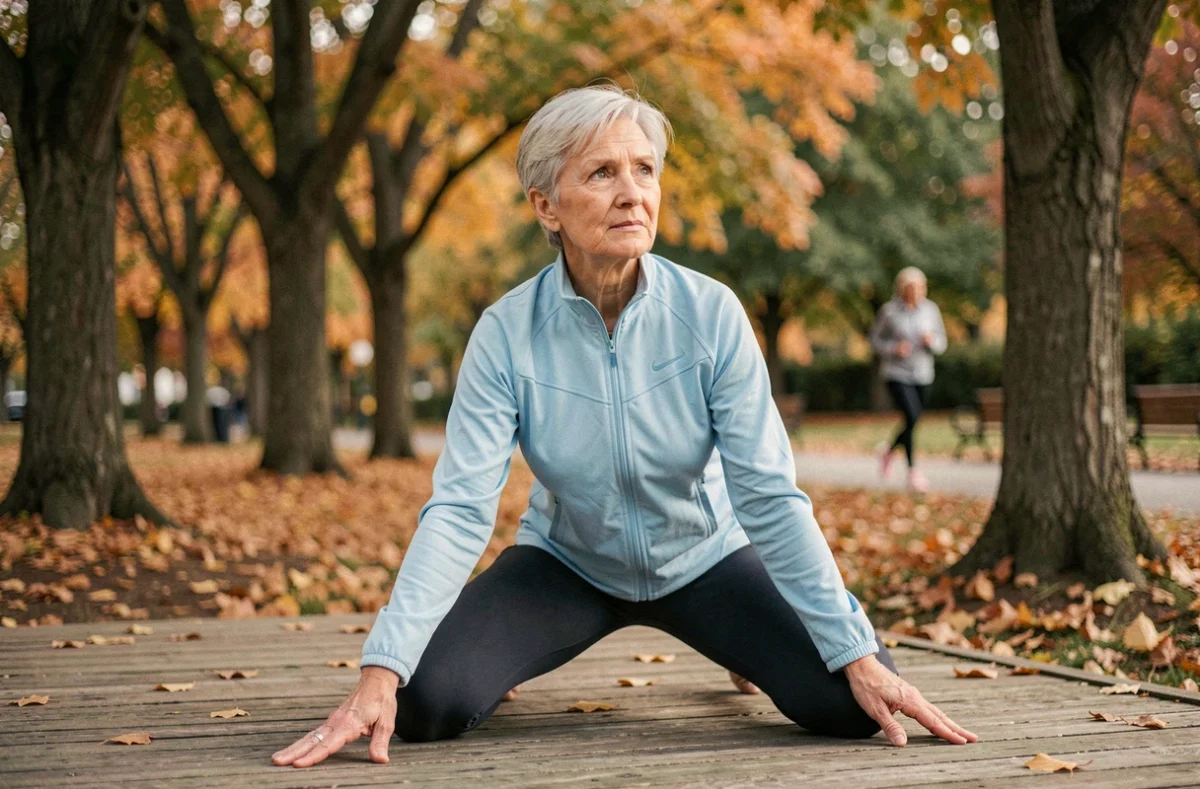
The HAS includes fear of falling among the signs that should be actively looked for, even when there has been no recent fall. This is far from trivial: fear of falling leads people to limit their movements, accelerating muscle loss and worsening balance. A vicious cycle sets in.
The recommendation goes beyond generic advice to “move more”. For people at risk, the HAS recommends adapted physical activity focused on balance, coordination and strengthening the lower limbs. Walking is beneficial, but it is not enough to work on all three areas.
After repeated falls: take action within a week
The HAS recommendations state that after a fall in someone who falls repeatedly, a reassessment within a week is recommended. This reassessment should look for fear of falling again, reduced activity or post-fall syndrome—issues that often go unnoticed during the initial assessment.
Post-fall syndrome can involve anxiety about walking, retropulsion and a general loss of confidence. If left untreated, it can accelerate the loss of independence within a few weeks.
Preventive healthcare for isolated older adults: adapting daily habits when living alone
Standard advice—regular physical activity, a balanced diet and enough sleep—often assumes that someone has support nearby or easy access to healthcare. For an older person living alone, the reality is different.
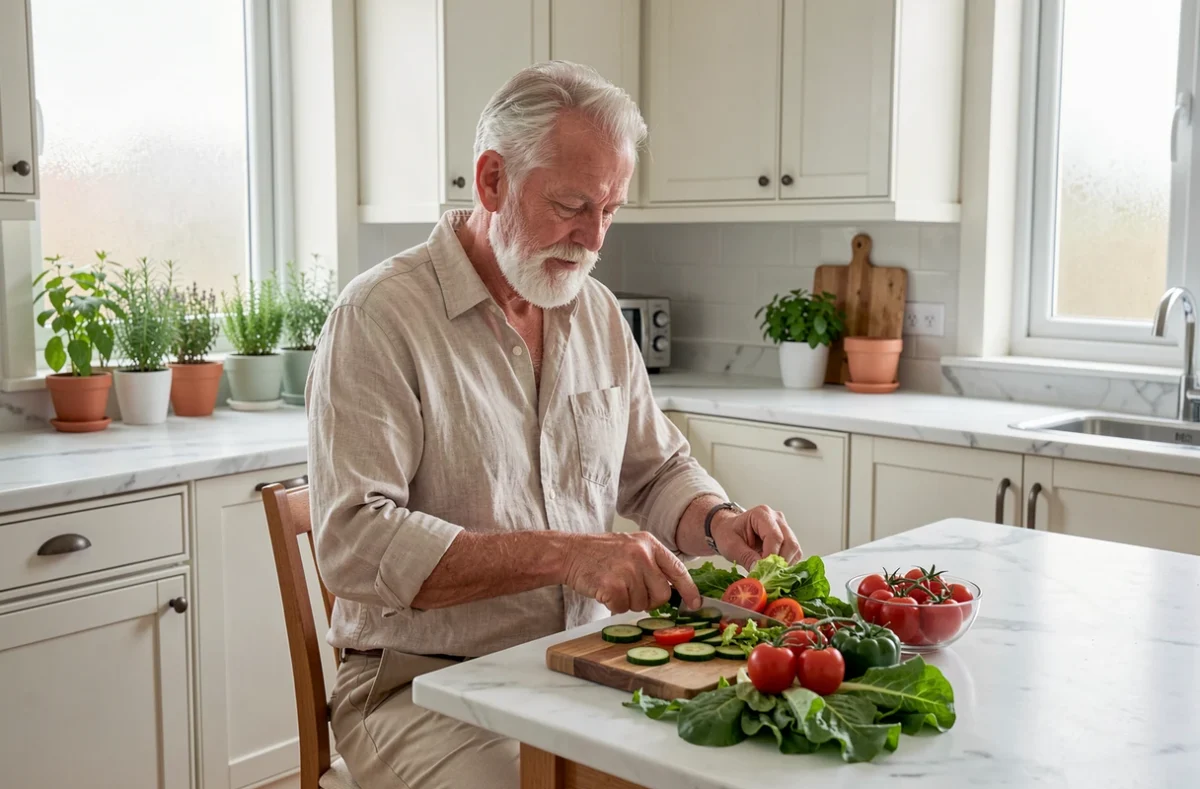
Preparing meals just for yourself can sometimes make cooking feel less worthwhile. The resulting lack of variety can lead to deficiencies, particularly in protein. Eating four or five smaller meals a day, including protein-rich snacks such as yoghurt, a hard-boiled egg or cheese, can help counter this tendency.
Isolation can also affect sleep. Without regular social interaction, the sleep-wake cycle gradually shifts. Keeping consistent wake-up and bedtime schedules, even without work commitments, helps maintain a stable routine.
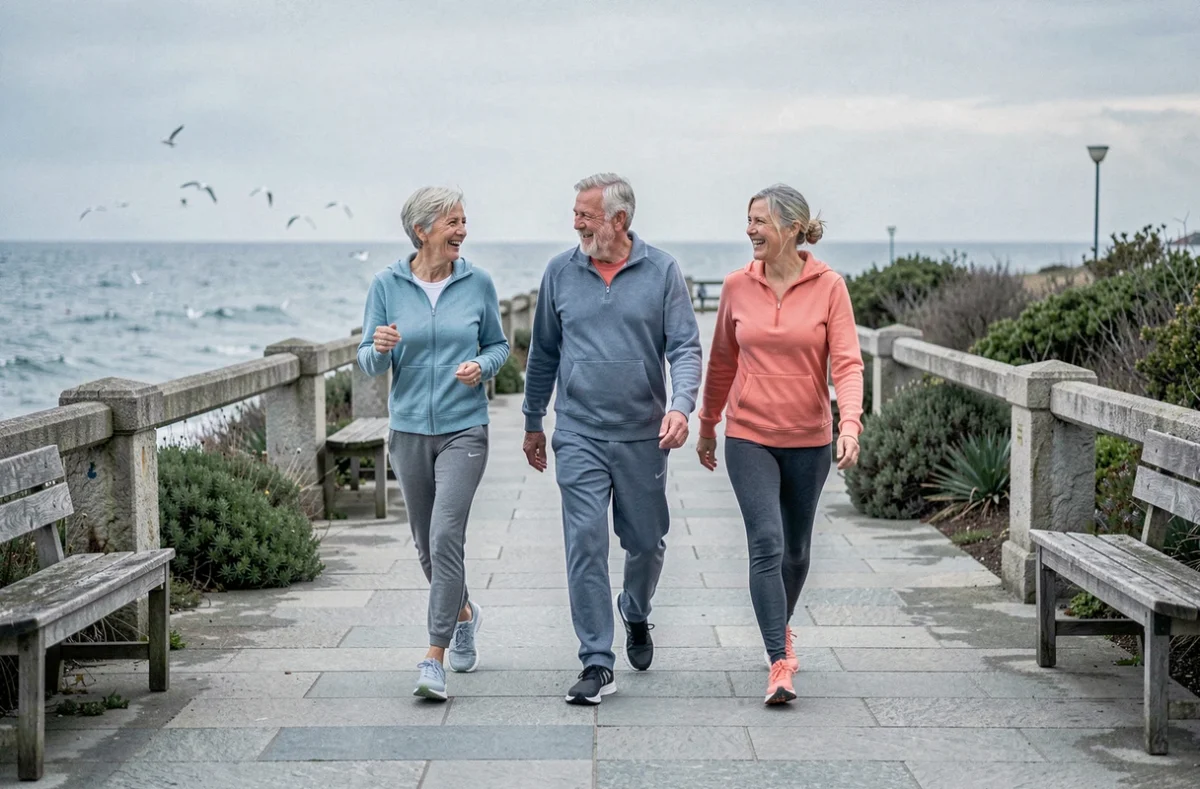
- Scheduling a daily phone call with a relative or neighbour creates a social touchpoint and makes it possible to report a problem quickly.
- Taking part in a group adapted physical activity class, even once a week, helps improve balance while reducing isolation.
- Asking your pharmacist for an annual medication review reduces the risk of drug interactions, which are common among older adults taking multiple medications.
Prevention for older adults is not simply a checklist of good habits applied everywhere. It means taking each person’s actual circumstances into account, including their access to healthcare, support network and location. Reviewing vaccination records, keeping an eye on the six ICOPE functions and addressing fear of falling are three practical steps that can be taken even far from a hospital.