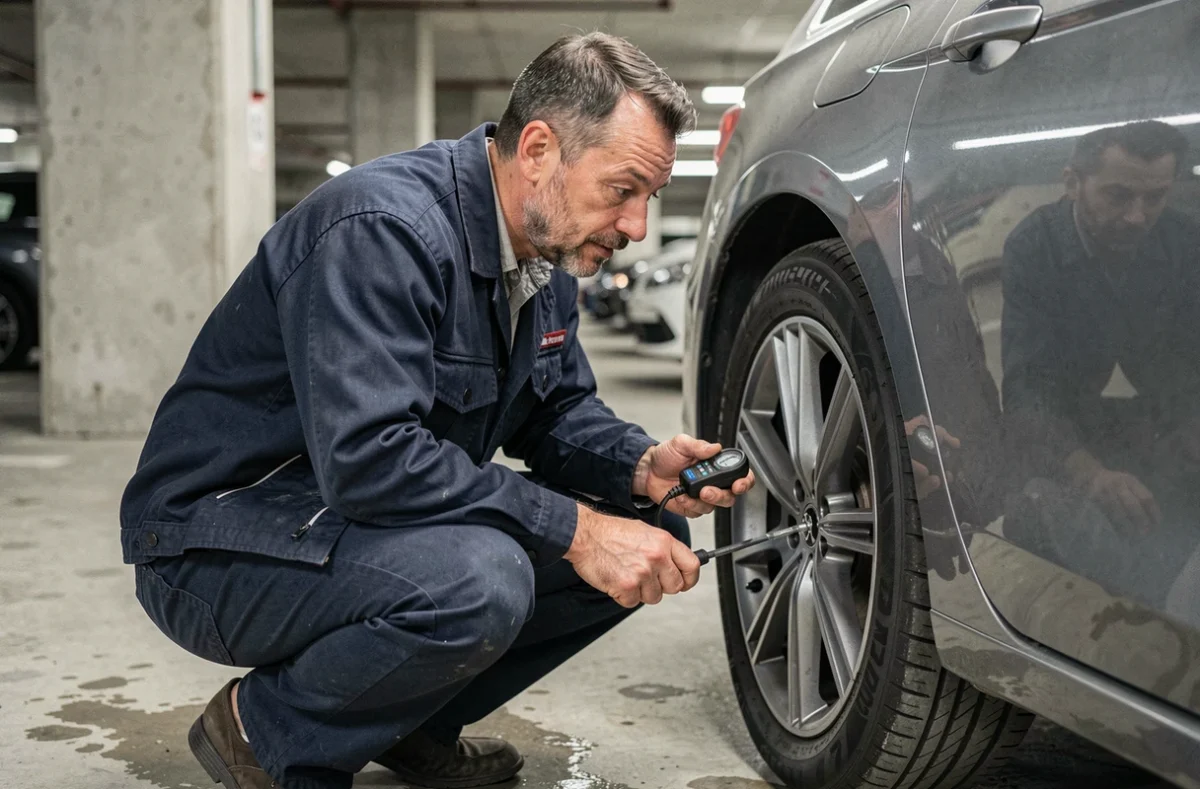
Buying an electric car when you live in a condo is about more than comparing range figures on a spec sheet. The question that shapes everyday life comes first: can you actually charge at home, at what cost, and how long will it take?
This article looks at the gap between the theory of the “right to install a charging point” and the reality of the process, then broadens the picture to include two other constraints that car enthusiasts often underestimate: low-emission zones and winter requirements.
Charging in a condo: the gap between rights and reality
The right to install a charging point allows any condo owner or tenant to request the installation of a charging station at their own expense. On paper, the property manager cannot object without a serious technical reason. In practice, the timeline can stretch out.
An article published by 60 Millions de consommateurs on November 9, 2026, details individual and shared solutions, along with the lead times to expect. Parking layout, the building’s electrical capacity, and any need to upgrade the network are all factors that can delay commissioning by several months.
For enthusiasts who follow automotive news every day, https://www.team-auto-passion.com brings together useful first-hand accounts on this type of issue.
| Criteria | Individual solution (right to install a charging point) | Shared solution (condo infrastructure) |
|---|---|---|
| Who pays for the installation | The applicant (condo owner or tenant) | The condo association, potentially with public subsidies |
| Average time to commissioning | Variable; several months depending on the setup | Longer (general meeting vote, tendering, construction work) |
| Typical power | Standard wall-mounted charging station | Shared charging stations, adjustable power |
| Property manager approval | Notification required; refusal limited to technical grounds | Vote at a general meeting |
| Energy metering | Dedicated individual meter | Allocation by access card or built-in meter |
Before committing to a purchase, it is more reliable to contact the property manager, have the parking area’s electrical capacity assessed, and request an installation quote. Checking technical feasibility before signing the purchase order can prevent months of waiting without a charging solution.

Low-emission zones: check your route, not just your Crit’Air sticker
A Crit’Air sticker on the windshield does not guarantee that a vehicle can be driven everywhere. Low-emission zone restrictions vary from one urban area to another, and access rules depend on the municipality you pass through.
The Statistical Data and Studies Department (SDES) publishes a breakdown of the vehicle fleet by Crit’Air sticker in the zones concerned. This document helps measure the share of vehicles that could be excluded from each low-emission zone.
For someone who drives between two urban areas every day, the practical approach is to check not just one low-emission zone, but every zone along the commute. A Crit’Air 3 vehicle allowed in one city may be banned in the next.
- Check the official website for each low-emission zone on your route to find out which stickers are allowed and when restrictions apply
- Check for regular updates, as exclusion thresholds are gradually tightened according to local schedules
- Consider the impact on resale: a vehicle excluded from several low-emission zones becomes less attractive on the used-car market
The same vehicle can be compliant here and banned just 20 kilometers away. This reality matters as much to your purchase decision as the price or powertrain.
Winter tires and the Mountain Law: what the 3PMSF marking means in practice
Since November 1, 2024, the 3PMSF marking has been the key criterion for a tire to qualify as winter equipment in municipalities covered by the Mountain Law. Not all all-season tires meet this requirement: only those bearing the 3PMSF symbol (a snowflake inside a three-peaked mountain) are compliant.
There is an alternative. In areas subject to the requirement, suitable chains or snow socks can be used instead of winter tires. The distinction to remember is this: the regulatory requirement tied to the season and municipality is not the same as a road sign that temporarily requires chains to be fitted on a specific stretch.
Choosing between 3PMSF tires and removable devices
The choice depends on winter mileage and how often you travel in mountainous areas. A driver who passes through a covered area twice a year can opt for chains stored in the trunk. Someone who drives daily in a mountainous area is better off fitting four 3PMSF tires in the fall.
- 3PMSF tires: compliant throughout the regulatory period, with no roadside fitting required
- Metal chains: effective in deep snow, but difficult to fit and subject to speed limits
- Textile snow socks: easier to install and suitable for occasional use, but wear quickly on dry asphalt
A set of four 3PMSF-marked tires remains the most convenient option for regular use. Removable devices are suitable for occasional trips.
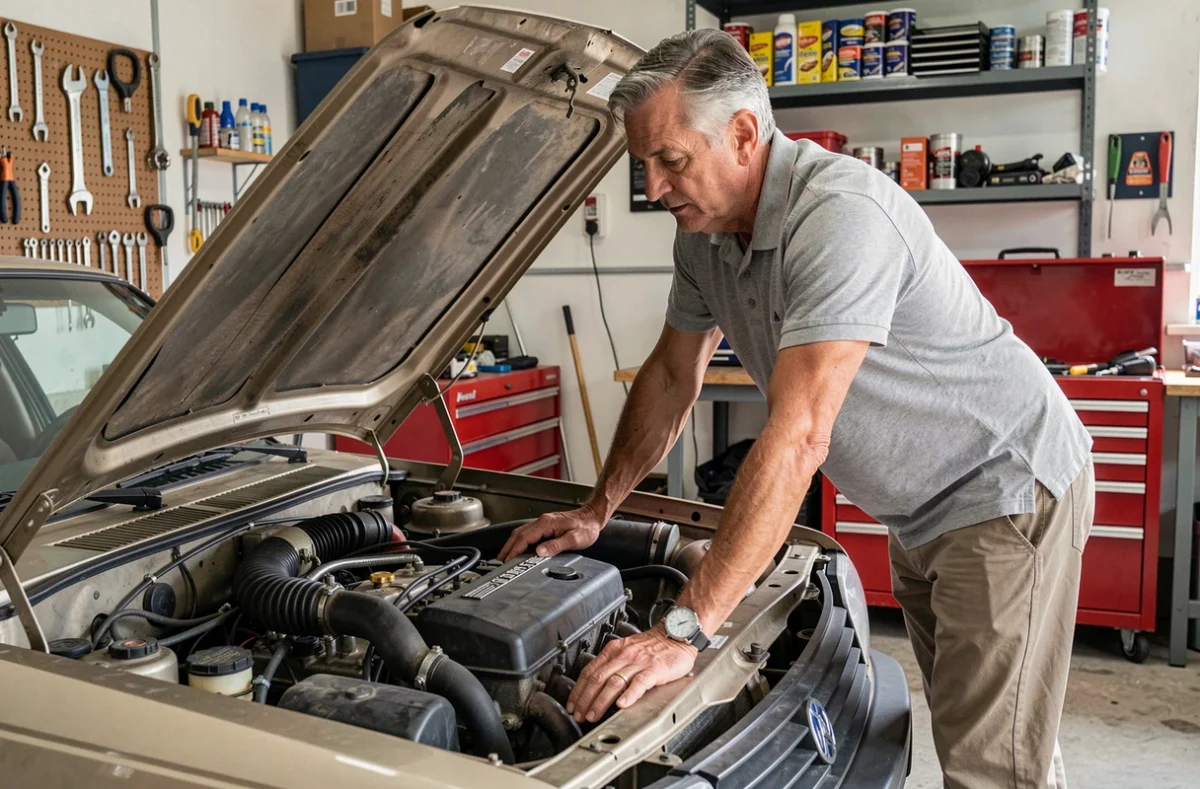
Everyday car maintenance: the essentials enthusiasts shouldn’t overlook
The most useful car maintenance advice is not about dramatic mechanical work, but about the checks we put off. Tire pressure, brake fluid level, and the condition of the windshield wiper blades affect safety far more than engine power.
A monthly visual check of fluid levels and tire wear takes less than ten minutes. This habit catches most problems before they become costly.
For electric vehicles, routine maintenance focuses on the brakes (used less thanks to regenerative braking, but prone to corrosion when left idle), tires (which can wear faster due to instant torque), and the climate control system, which directly affects range.
Living your passion for cars every day also means adapting your habits to the regulations that now govern mobility. Checking whether a car you’re considering is compatible with low-emission zones, planning ahead for a charging station installation in your condo, or making sure your tires have the right marking before winter are all steps that help avoid unpleasant surprises, whatever the joy of driving.