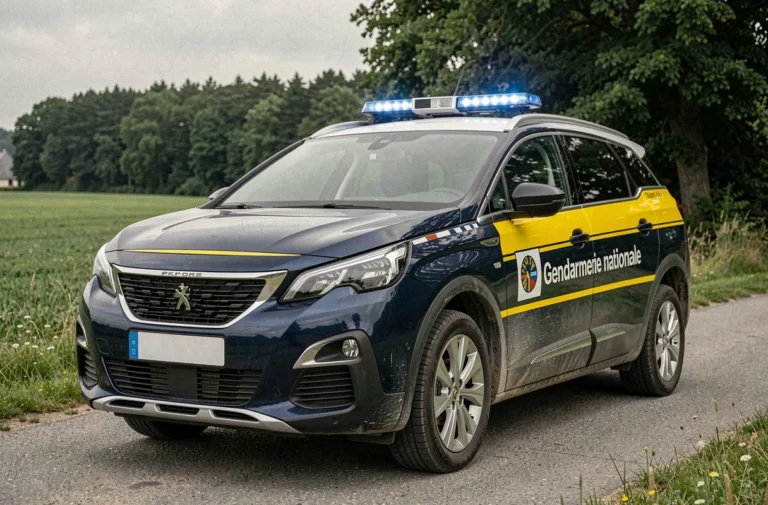
In the current technological era, fire and rescue services in France must quickly adapt to integrate essential digital tools that can enhance their efficiency. These technologies include intervention management software, geographic information systems for precise incident location, secure internal communication applications, and real-time data sharing. These tools enable optimal coordination of units on the ground, in-depth risk analysis, and better preparedness in the face of emergency situations. The stakes are high to ensure the safety of citizens and the rescuers themselves.
Modernization of Fire and Rescue Services: Challenges and Digital Solutions
The digital realm is forcefully entering the operational management of fire and rescue services in France. In the face of a changing environment, marked by climate change, these services are modernizing their practices with the integration of new technologies. The UN report highlights an increase in fire risks in the Mediterranean basin, a phenomenon exacerbated by rising temperatures that are increasing more rapidly than the global average. Find in these challenges the necessary impetus for a digital revolution in the civil security sector.
The firefighters are at the heart of this transformation. Deploying a new digital strategy, they use digital tools as a means of prevention and firefighting. NexSIS, a national software for emergency call centers, becomes a central link in this strategy. Operational since 2021, it allows for more efficient alert management and a quicker response in emergency situations. Consider NexSIS as a pivot, a paradigm shift in data and communication management.
The ‘TechForFire’ project, initiated by the University Institute of Industrial Thermal Systems at Aix-Marseille University, illustrates advanced research serving rescue efforts. This project aims to simulate fire spread to anticipate and better combat fires. The close collaboration between the SDIS Bouches-du-Rhône and this research project demonstrates the involvement of field actors in modernizing their tools.
Let us highlight the initiative ‘Agendis 62’, which illustrates the willingness of rescue services to optimize operational management through digital means. This alert management system contributes to better coordination of interventions, essential in a region like Southern France, frequently faced with significant disasters. Recognize the necessity of these essential digital tools for fire and rescue services, which, through their implementation, advance safety for all.

Collaboration and Information Sharing: Keys to Effective Intervention
In Southern France, a region frequently ravaged by flames, collaboration and information sharing between different rescue services and security actors prove to be pillars of an effective intervention. The Var department is a striking example, with over 7,000 hectares consumed by fires. In this context, real-time exchanges of precise information and coordination of operations are vital to controlling these natural disasters as quickly as possible.
The SDIS Bouches-du-Rhône, with its experience in managing wildfires, has established a specialized unit for controlled burning. This practice, which involves reducing vegetation fuels through controlled fire, requires close cooperation with advanced research projects like ‘TechForFire’. The synergy between these entities allows for the development of innovative intervention methods, based on data analysis and fire scenario simulation, thus enhancing the preparation and responsiveness of firefighters in emergencies.
This dynamic of sharing is also realized through the integration of volunteer firefighters and health services in the decision-making process. The interconnection of alert systems and digital platforms ensures rapid dissemination of information and optimal mobilization of resources. This interdependence among the various links in the rescue chain, supported by digital tools, is fundamental for the protection of populations and ecosystems against increasingly unpredictable disasters.