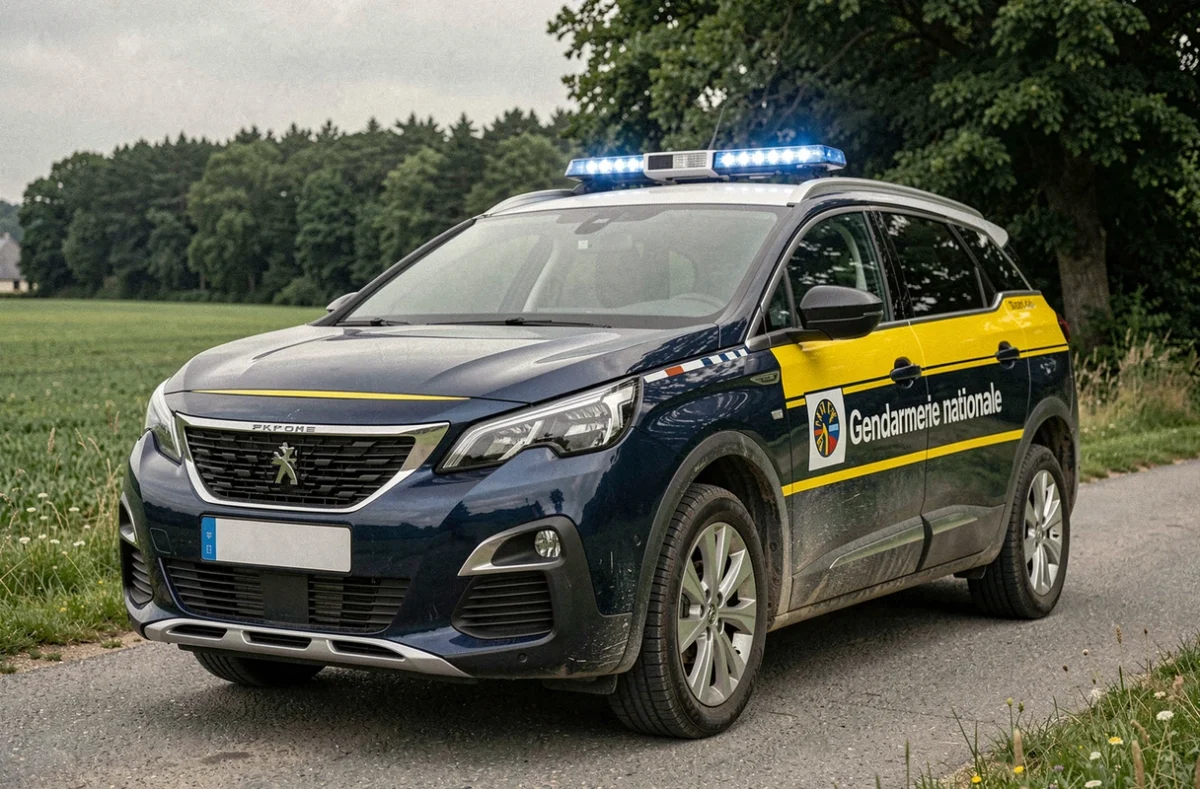
The National Gendarmerie manages a fleet of several thousand vehicles assigned to very different missions: rural patrol, rapid intervention on highways, maintaining order during demonstrations, armored protection in crisis situations. Each category of vehicle meets a specific technical specification, where engine type, onboard equipment, and protection capacity directly determine the operational effectiveness of the gendarmes.
Onboard detection systems: the technology that changes patrol
Before detailing the models, it is essential to understand what distinguishes a gendarmerie vehicle from a civilian vehicle of the same model. The difference lies less in the bodywork than in the integrated detection and communication systems.
Patrol vehicles are equipped with computer terminals connected to national databases (stolen vehicle database, wanted persons database). This system allows for real-time consultation during a traffic stop, without waiting for a radio response from the operational center.
A recent development concerns automatic license plate recognition cameras (ALPR). These sensors, mounted on the roof or integrated into the windshield, scan the plates of passing vehicles and instantly compare them to databases. The stated goal is to improve the tracking of stolen vehicles and the detection of reported vehicles. The deployment of this equipment within the Gendarmerie is still gradual, and not all patrol vehicles are yet equipped with it.
To better understand how these technologies align with the various models in the fleet, a detailed file on the vehicles of the National Gendarmerie presents their technical and operational specificities.
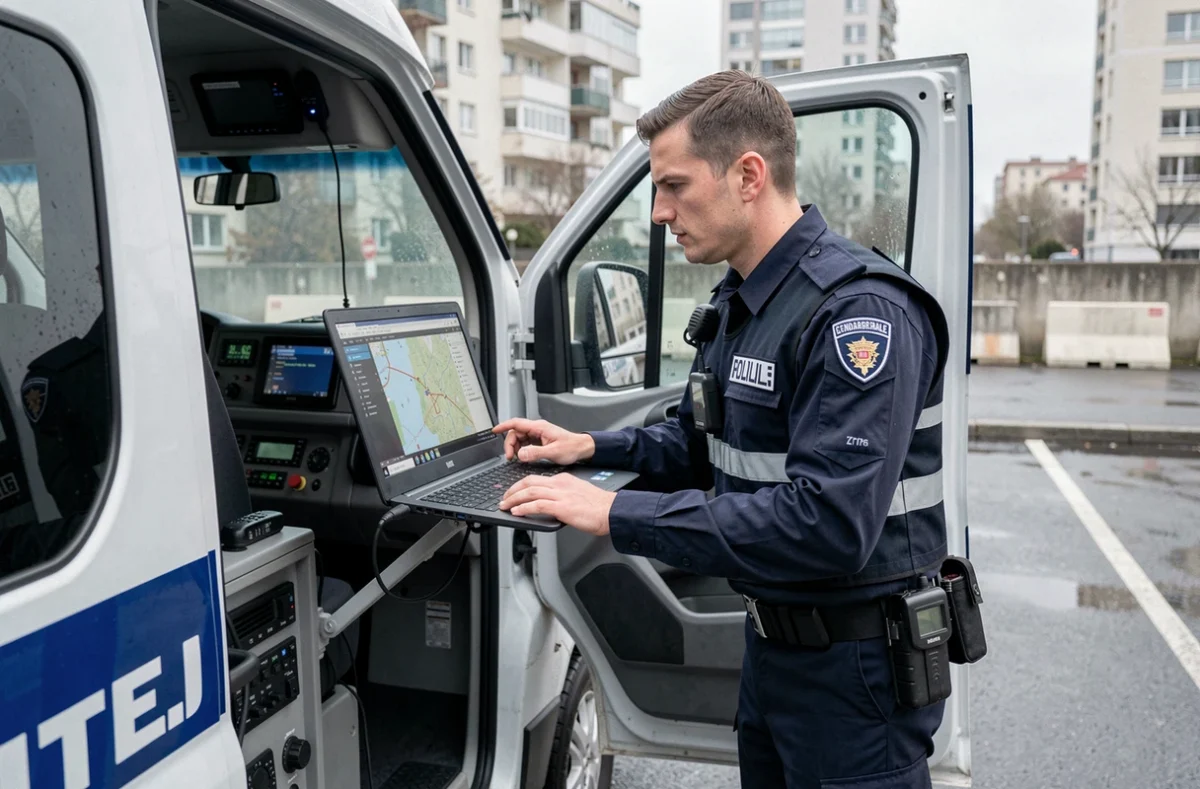
Patrol vehicles of the Gendarmerie: versatility and endurance
The territorial brigades form the basic network of the Gendarmerie across the territory. Their vehicles must endure high mileage, often on degraded departmental roads, while remaining maneuverable in urban areas.
The patrol fleet relies on sedans and SUVs from French and European manufacturers. Among the recurring models are Peugeot and Renault, chosen for their dense maintenance network across the territory and their controlled operating costs. The rapid intervention vehicles, on the other hand, use more powerful engines for highway missions.
The choice of a model is not made solely based on the engine’s technical specifications. Selection criteria include:
- The trunk capacity to accommodate regulatory equipment (bulletproof vests, traffic cones, first aid supplies, issued weapons).
- The modularity of the cabin to install computer terminals, the radio console, and, if necessary, the ALPR system.
- The robustness of the suspension and chassis to withstand intensive use, with mileage that far exceeds that of an equivalent civilian vehicle.
- The total cost of ownership over the duration of assignment, which includes maintenance, fuel consumption, and residual value at decommissioning.
Retired vehicles are then resold, sometimes through public auction platforms. Their mechanical condition varies significantly depending on the assigned unit and the types of missions performed.
Armored Centaure: ballistic protection for mobile gendarmerie
The Centaure represents a technological leap compared to the older wheeled armored vehicles used by the mobile gendarmerie. Designed to gradually replace the VBRG (Wheeled Armored Vehicle of the Gendarmerie), it was developed in cooperation with the French defense industry.
Its design meets a dual specification. On one side, ballistic protection capable of withstanding small arms fire and heavy object projectiles in a law enforcement context. On the other, sufficient urban mobility to maneuver in narrow streets, which the older armored vehicles did not always allow.
What the Centaure changes on the ground
The Centaure integrates panoramic cameras that provide the crew with 360-degree vision without leaving the armored cabin. This system reduces the exposure of gendarmes during observation phases in high-tension areas.
Crew training takes place within the Mobile Gendarmerie Armored Group. It covers driving in constrained urban environments, using onboard optronic systems, and coordination procedures with foot patrols. Mastering the armored vehicle requires several weeks of specific training, as the dimensions and dynamic responses of the vehicle differ radically from those of a standard van.
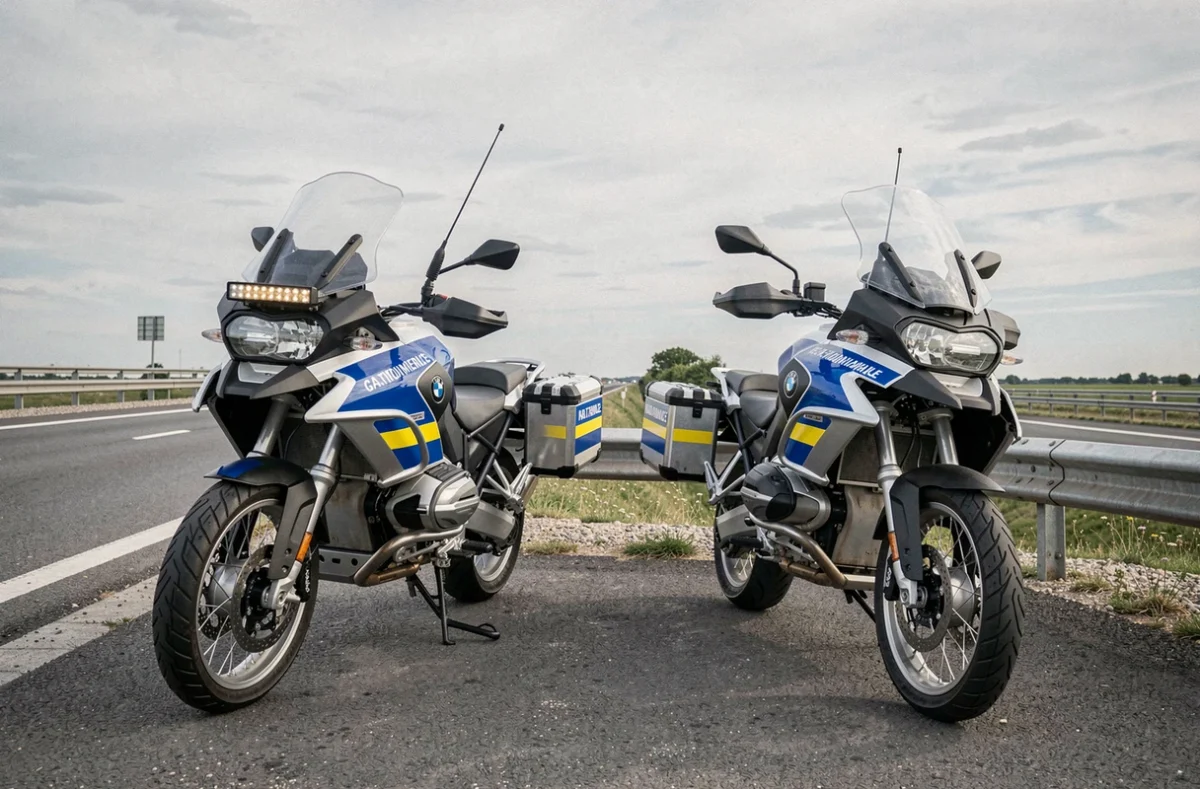
Engines and energy transition of the Gendarmerie fleet
The question of electrifying the fleet is particularly pressing for the Gendarmerie. Operational constraints (range in rural areas, constant availability, rapid charging) complicate the massive adoption of electric vehicles.
Available public data on low-emission vehicle registrations show that thermal engines remain largely predominant in the fleets of security forces. Hybrid or electric vehicles are starting to appear, but mainly for administrative uses or short urban trips, not for long-distance patrols or emergency interventions.
The market for electric utility and heavy-duty vehicles is progressing in the civil sector, which could eventually facilitate the integration of electric vans for logistical transport. The Gendarmerie is monitoring these industrial developments, but the transition will depend as much on the technological maturity of batteries as on the ability to deploy charging infrastructure in barracks, including those located in remote areas.
The renewal of the National Gendarmerie’s vehicle fleet is part of a master plan for automotive support that balances operational performance, budgetary cost, and environmental constraints. Each generation of vehicles incorporates more onboard electronics, which also increases the training needs of military mechanics responsible for maintenance.