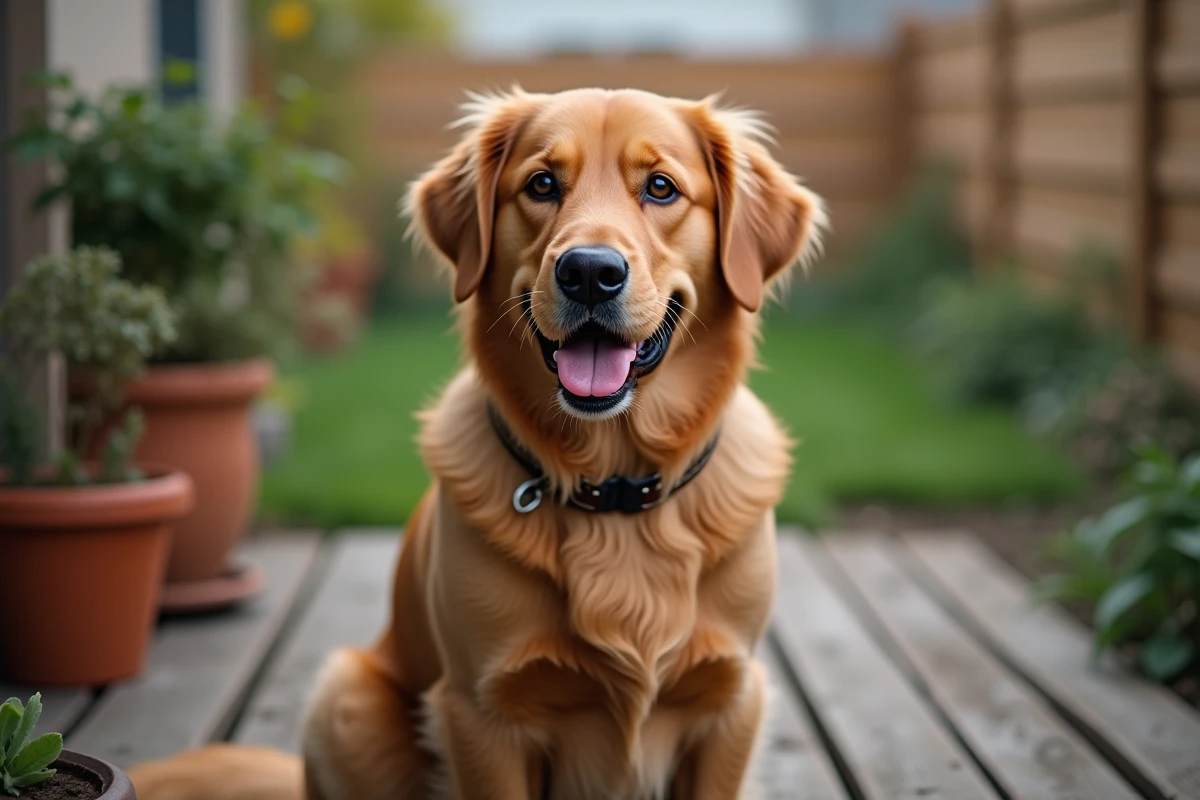
A domestic animal is distinguished from a wild animal by a process of domestication spread over several thousand years. This genetic and behavioral transformation has altered the morphology, reproductive cycle, and tolerance to human contact of certain species. Understanding this biological boundary allows for a better grasp of the actual needs of each species, whether they live in a living room or in a forest.
Scientific criteria for the domestication of a wild animal
Domestication is not limited to raising an animal from birth. It relies on genetic modifications passed down over dozens of generations. A dog descends from the gray wolf after a process that began several thousand years ago, during which the individuals most tolerant of humans were selected, either intentionally or not.
For a wild species to theoretically become domestic, several biological conditions must be met simultaneously.
- A low stress threshold in the presence of humans, measurable by cortisol levels. Species whose nervous systems trigger an intense flight response to every interaction remain unsuitable for cohabitation.
- A reproductive cycle compatible with captivity. Some species stop reproducing outside their natural habitat, making any long-term genetic selection impossible.
- A hierarchical or social structure. Animals living in organized groups more easily accept a subordinate or cooperative relationship with a human.
- A diet that can be reproduced without depending on a specific ecosystem. An apex predator needing vast hunting territories cannot adapt to a restricted environment.
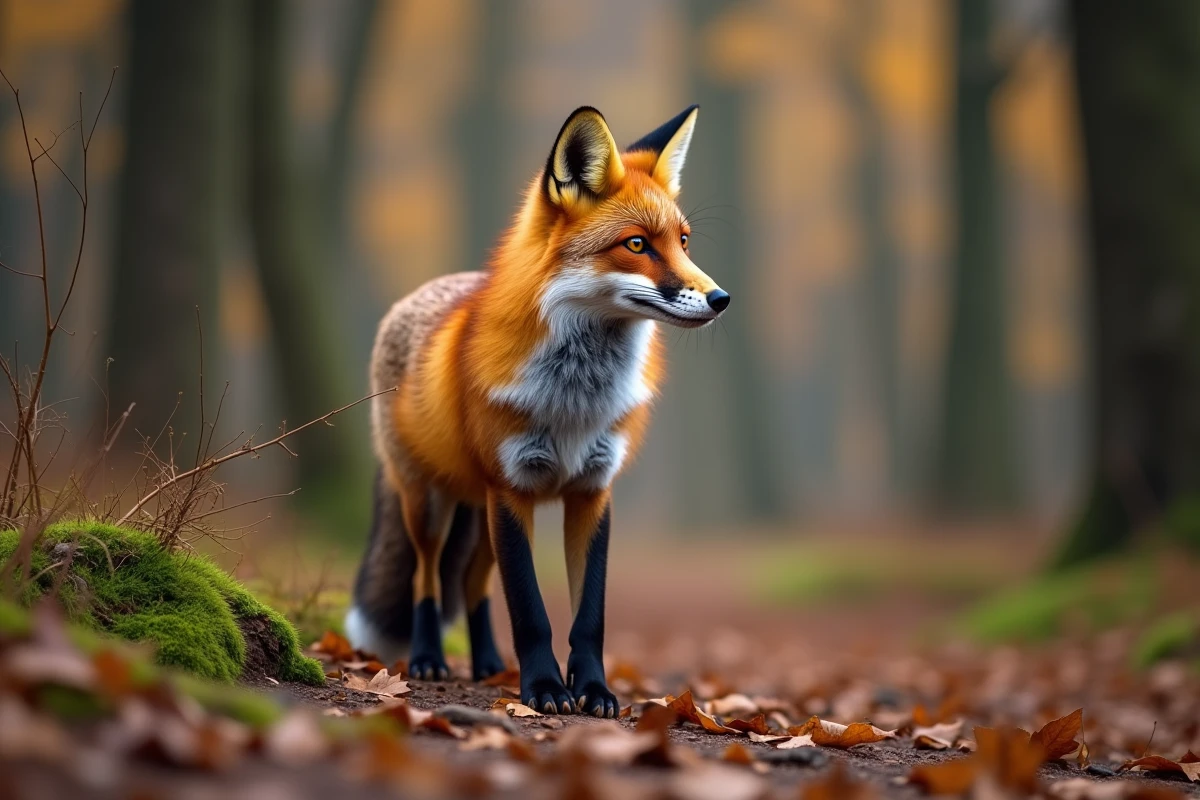
The cat, dog, horse, or chicken meet these criteria. A fox, raccoon, or monkey, despite their apparent proximity to humans, only meet some of them. This is precisely why the majority of attempts to domesticate wild species fail, even with motivated and caring owners.
To explore the diversity of species that share our daily lives or populate wild ecosystems, the animals on La Maison des Animaux provide a detailed overview of these two worlds.
NAC and exotic animals: abandonments on the rise since the end of the pandemic
New pets (NAC) include reptiles, rodents, exotic birds, amphibians, and sometimes unusual mammals like ferrets or sugar gliders. During the period of successive lockdowns, the enthusiasm for these species surged, fueled by social media and the search for unique companionship.
Since 2024, animal protection organizations have reported a notable increase in the abandonment of exotic animals. This phenomenon is explained by a gap between the image portrayed online and the daily reality of cohabitation.
Why NAC often end up in shelters
A juvenile iguana measures about twenty centimeters. As an adult, it can exceed one meter and requires a large terrarium with precise control of temperature and humidity. A Gabon grey parrot lives for several decades and develops serious behavioral issues if it lacks social stimulation.
The mismatch between the animal’s biological needs and the living conditions provided is the primary cause of abandonment. The second is regulatory: the ownership of certain species requires certificates of competence or prefectural authorizations that many owners discover only after purchase.
Specialized shelters, which are few in number, struggle to accommodate these arrivals. A snake or chameleon cannot be rehomed as easily as a cat.
Pets: what cohabitation requires on a daily basis
Living with a dog or cat seems familiar, but the fundamental needs of these species are often underestimated. A herding dog confined in an apartment without sufficient physical activity develops destructive behaviors. A cat deprived of environmental enrichment (scratching posts, heights, simulated hunting games) may exhibit chronic stress in the form of urinary marking or aggression.
Nutrition and health: two non-negotiable pillars
Commercial food for dogs and cats has improved, but not all ranges are equal. Reading labels remains the most reliable action: the first ingredient listed should be an identified source of animal protein (chicken, salmon, lamb), not a grain or vague by-product.
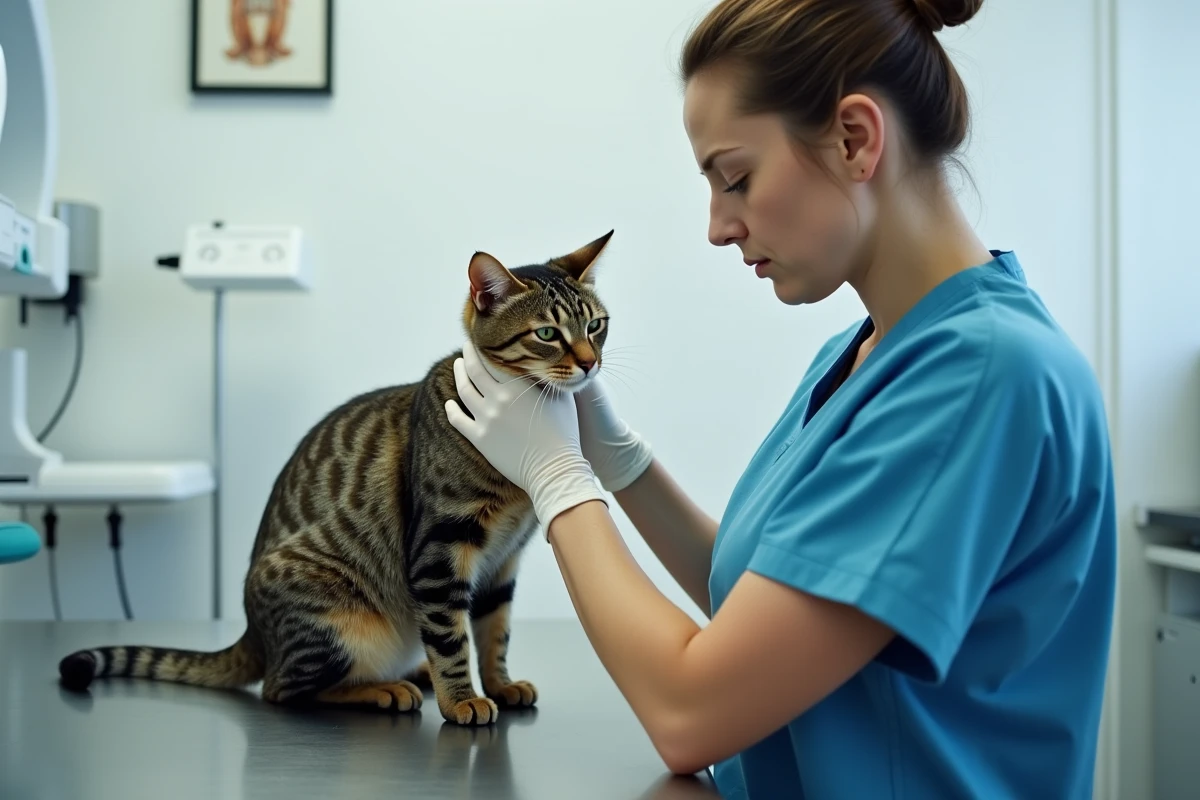
On the health side, preventive vaccinations and parasite control are fundamental. Regular veterinary check-ups help detect silent pathologies, particularly renal failure in older cats or hip dysplasia in certain dog breeds.
Biodiversity and wildlife: observe without interfering
The attraction to the animal world is not limited to companion species. Wild biodiversity is generating increasing interest, driven by wildlife documentaries, nature parks, and participatory science initiatives where volunteers count migratory birds or report invasive species.
Urban ecosystems alter the behaviors of local wildlife. Some species, like the peregrine falcon or the red fox, have adapted to cities by exploiting new food niches. This adaptation does not mean these animals become domesticable: it reflects behavioral plasticity, not a lasting genetic modification.
Zoos and conservation: a changing role
Modern zoos claim a role in ex-situ conservation, meaning the captive breeding of threatened species for future reintroductions. This mission coexists with the recreational function, generating an ongoing debate about the conditions of captivity and the well-being of residents.
A zoo participating in a coordinated breeding program does not operate as a mere showcase. The exchange of individuals between institutions aims to maintain sufficient genetic diversity to avoid inbreeding.
The boundary between domestic and wild animals remains a biological line, not a matter of affection. Understanding it better protects both wild species from doomed attempts at domestication and companion animals from poorly calibrated expectations.