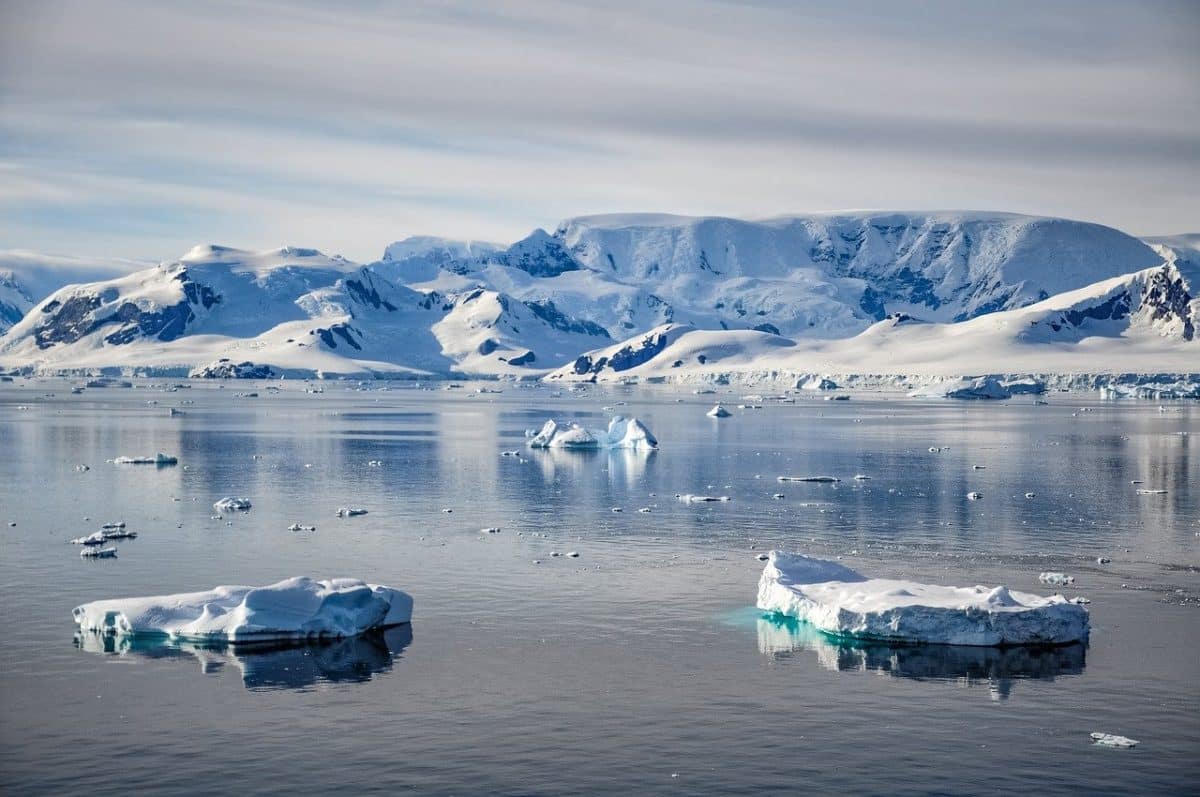
An Antarctic cruise is a unique and unforgettable experience, offering travelers the opportunity to explore one of the most remote and spectacular environments on the planet. This type of journey is much more than just a cruise; it is an immersive adventure at the heart of icy landscapes, exceptional wildlife, and fascinating scientific discoveries.
Preparation and Embarkation
Preparation for an Antarctic cruise begins well before the departure day. Travelers must ensure they have appropriate clothing to face extreme conditions, including thermal wear, waterproof boots, gloves, and multiple layers to stay warm. Specialized travel agencies often provide a detailed list of necessary items.
Embarkation usually takes place in ports located in South America, such as Ushuaia in Argentina or Punta Arenas in Chile. Passengers are welcomed by the crew and receive an orientation on safety measures aboard. The ship then sets sail towards the Antarctic Peninsula, a crossing that can take several days depending on weather conditions.
The Drake Passage Crossing
One of the most dreaded yet exciting moments of an Antarctic cruise is the crossing of the Drake Passage. This strait, located between the southern tip of South America and the Antarctic Peninsula, is known for its choppy and unpredictable waters. The crossing can last about two days, during which passengers often experience seasickness. However, the sight of albatrosses flying around the ship and the first icebergs floating on the horizon more than compensates for the discomforts.
Exploring the Antarctic Peninsula
Once the Drake Passage is crossed, the real adventure begins. Antarctic cruise ships are generally expedition vessels designed to navigate icy waters. Each day, passengers have the opportunity to disembark at different sites via zodiacs, small boats that allow close access to the coasts and wildlife.
Daily excursions include ice hikes, visits to penguin colonies, and sometimes even underwater diving for the more adventurous. Onboard naturalist guides, often specialized scientists, enrich the experience by providing detailed information about the unique Antarctic ecosystem.
Wildlife Observation
One of the highlights of the cruise is undoubtedly wildlife observation. The waters and lands of Antarctica are home to astonishing biodiversity. Passengers can closely observe colonies of penguins, seals, whales, and an impressive variety of seabirds. Each encounter with these animals in their natural habitat is an unforgettable experience and an opportunity to understand the importance of conserving this fragile region.
Onboard Activities
When passengers are not on excursions, a variety of activities await them onboard. Lectures and presentations are organized by the experts present on the ship, offering an in-depth look at the geology, glaciology, and biology of Antarctica. Passengers can also enjoy the ship’s facilities, such as the observation lounge, library, and sometimes even a spa to relax after a day of exploration.