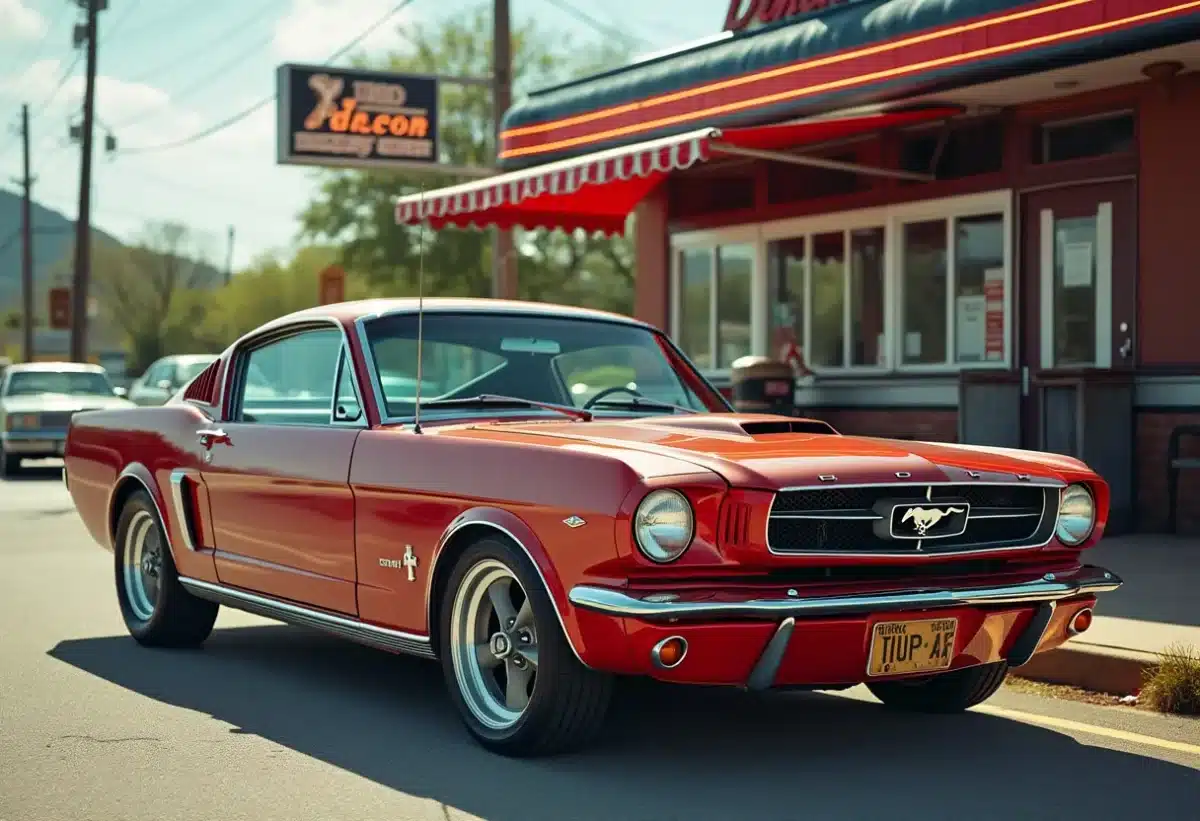
American sports cars have made their mark in automotive history with their raw power and bold design. Since the 1950s, iconic models like the Corvette began to emerge, captivating the imagination of speed enthusiasts. These vehicles were not just means of transportation, but symbols of freedom and rebellion.
The 1970s saw the peak of these legendary machines. Names like Mustang, Camaro, and Challenger became synonymous with performance and style. These cars embodied the spirit of an era where innovation and boldness were at the heart of American car culture.
The Beginnings of American Sports Cars
The 1950s marked the beginning of the era of American sports cars, with the introduction of revolutionary models. Among these pioneers, the Rocket 88 from Oldsmobile, produced in 1949, is often cited as the first American muscle car. Equipped with a powerful V8 engine, it already embodied the very essence of muscle cars: high performance at an affordable price.
The Role of the Pontiac GTO
In 1964, the Pontiac GTO truly launched the golden age of muscle cars. Designed by John DeLorean, Bill Collins, and Russell Gee, the GTO was inspired by the Ferrari 250 GTO. Its design under the General Motors banner marked a fundamental milestone in the history of the automotive industry. The GTO was not just a car; it represented a revolution, profoundly influencing the trends of the 1960s and 70s.
Features of Early Muscle Cars
The early muscle cars were distinguished by several features:
- V8 Engine: the key to their high performance.
- Bold Design: aggressive lines and sporty appearance.
- Accessibility: affordable pricing for the general public.
These vehicles were designed to offer an unparalleled driving experience, combining raw power and maneuverability.
Impact on Automotive Culture
The rise in popularity of muscle cars in the 1960s and 70s shaped American automotive culture. Models like the 1970 muscle car defined an era, creating a true passion for sports cars. This period saw the birth of legends that continue to fascinate car enthusiasts today. The Rocket 88 and the Pontiac GTO laid the groundwork for a tradition that endures, marking a turning point in the history of performance vehicles.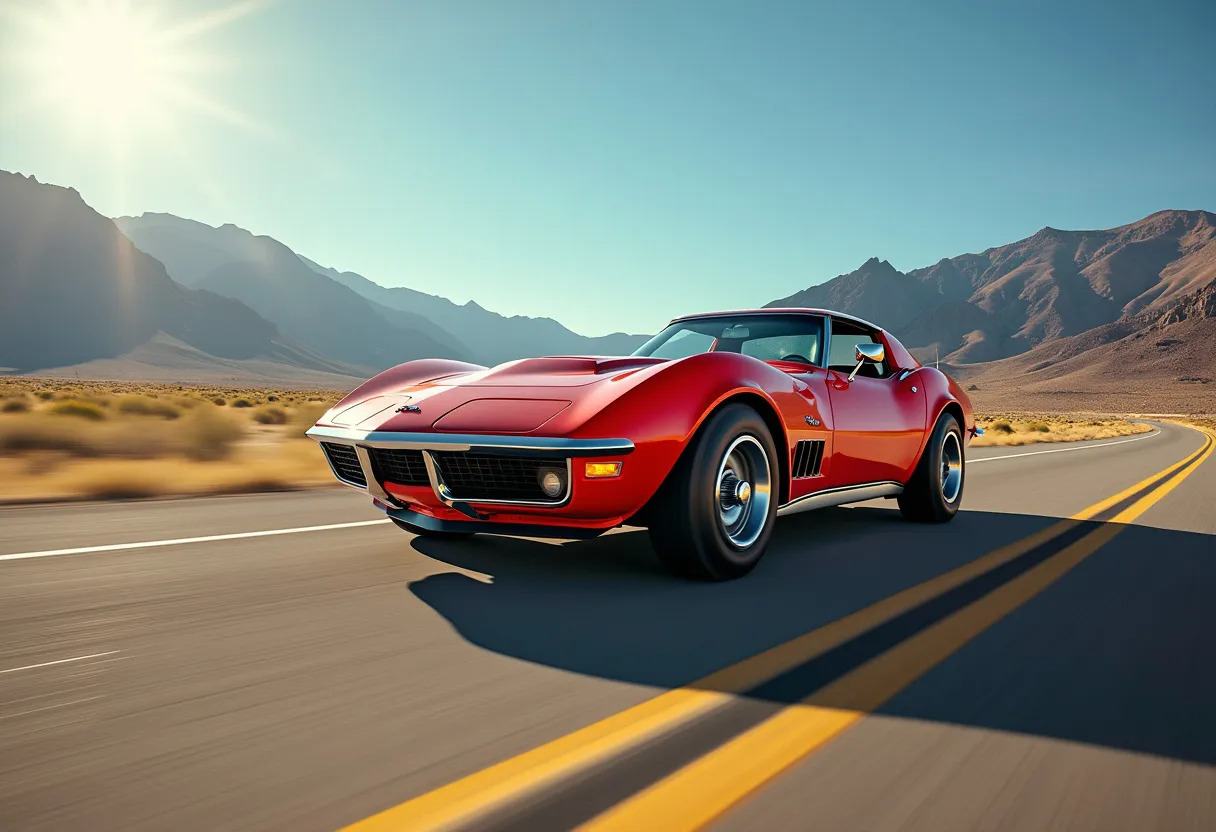
The Glory of the 70s
The 1970s represent the peak of muscle cars, a period when performance and design reached new heights. The Ford Mustang and the Chevrolet Camaro competed for supremacy in the market, each bringing its innovations and distinctive style.
Iconic Models
Several models from this era have become essential references:
- Dodge Charger R/T (1968): known for its appearance in the Fast and Furious films, this car became a symbol of power and style.
- Plymouth Road Runner Hemi (1968): its name inspired by the Looney Tunes character and its performance make it a legend.
- Chevrolet Chevelle SS (1970): equipped with a 454 ci big-block V8 engine, it embodies the quintessence of muscle cars of the time.
- Plymouth Hemi Cuda Convertible (1971): one of the rarest muscle cars with only 13 units produced.
Engineering and Power
The engineering of the 1970s was characterized by a constant search for power and performance. The Shelby Cobra 427 Super Snake from 1967, designed by Carroll Shelby, is a perfect example. It is one of the rarest and most powerful muscle cars ever produced.
Cultural Impact
The muscle cars of the 1970s left an indelible mark on American automotive culture. They symbolize an era of freedom and excess, where each model became an icon. Ford Motor Company and other manufacturers shaped an industry that continues to fascinate collectors and sports car enthusiasts.